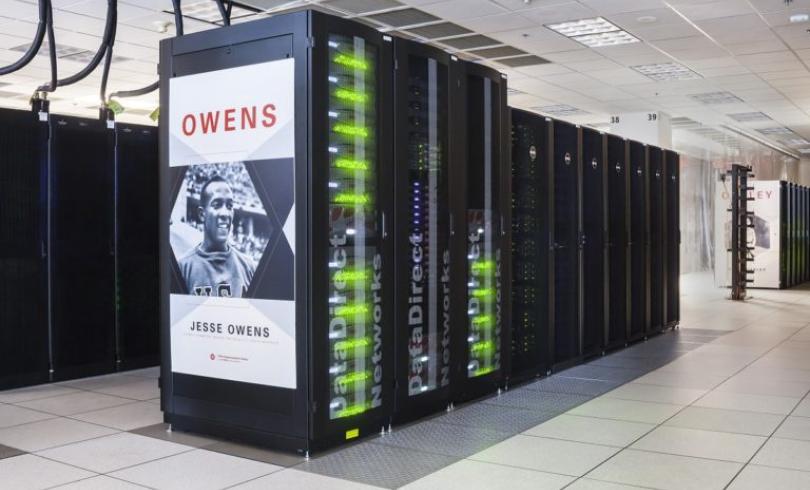
Your browser is the supercomputer: On Demand is a no-tears shortcut to research-computing
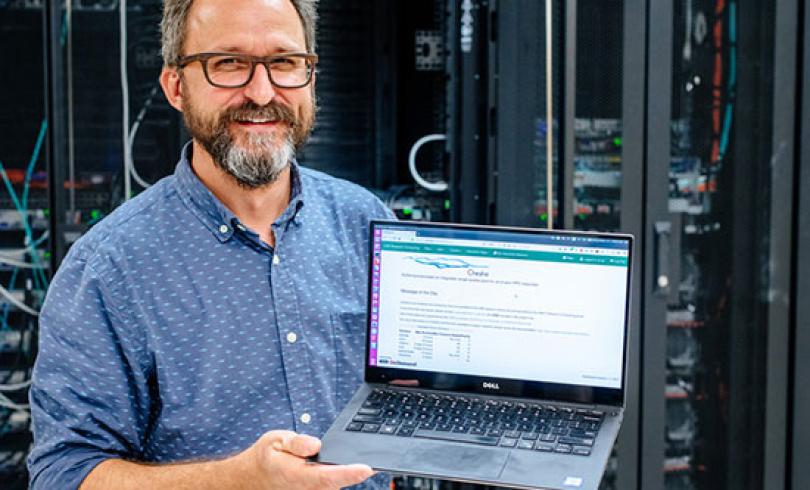
The traditional method of logging on to the Cheaha cluster, the fastest in Alabama, was “like something out of ‘Tron’ or ‘War Games,’” said William Monroe, the UAB IT Research
Wright State expands research and teaching capabilities with OSC
Wright State University faculty and students use OSC's high-performance computing for coursework and research in machine learning, engineering, and materials science, with Campus Champion Mike VanHorn driving campus-wide adoption.
Ohio University researchers turn to Ohio Supercomputer Center as computing demands grow
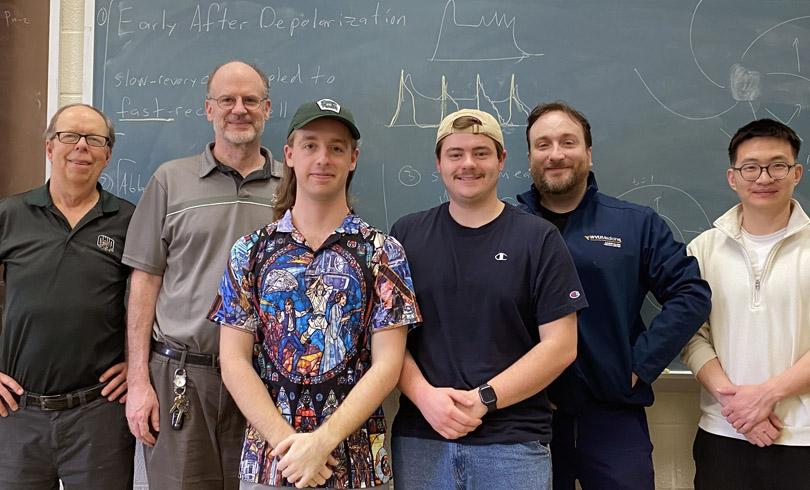
Ohio University students and faculty use OSC's high-performance computing for data-intensive work — from molecular machine learning to AFib heart research and AI-generated art — with Campus Champion Robert Foreman championing shared infrastructure over costly local systems.
Open OnDemand releases version 4.2.2 in compliance with U.S. accessibility guidelines
OSC released Open OnDemand 4.2.2, updating its HPC web portal to meet ADA/WCAG accessibility guidelines ahead of a 2027 deadline, with screen reader improvements and contributions from global HPC partners.
Midwest academics share AI innovations for research, teaching at OSC-hosted event
OSC hosted an NSF/NAIRR-sponsored AI workshop drawing nearly 100 Midwest faculty and students, featuring keynotes from Ayanna Howard and Timothy Huerta on AI's role in research and education.
The ERN Cryo-EM Federated Instrument Pilot Project
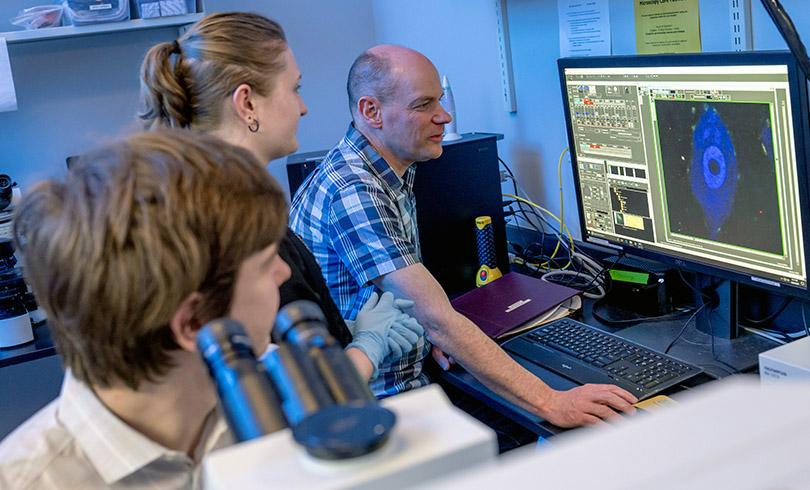
This project is facilitating multi-institutional collaboration through the development and design of an easy to use, web-based portal at the interface of computing and Structural Biology, scientific instruments. It will provide federated access to the instruments, workflows utilizing edge computing in conjunction with cloud computing and real-time monitoring for experimental parameter adjustments and decisions.
Accelerating Scientific Discovery at the University of Melbourne
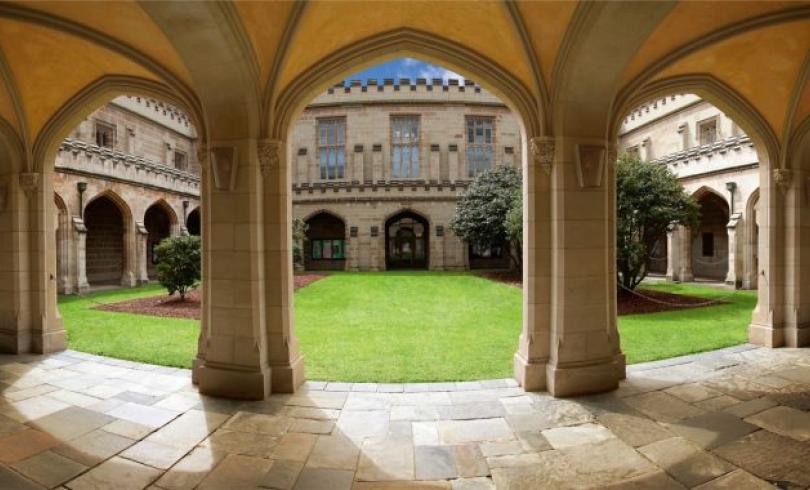
4,500 researchers with ~1,500 different projects leverage HPC at the University of Melbourne, translating discovery into meaningful, practical impact to benefit all of us.